

Understanding Neurodiversity
Neurodiversity recognises that there is no single “correct” way for the brain to function. While many people share similar patterns of thinking and behaviour, others experience the world differently because of natural neurological differences. These differences may influence communication, attention, sensory processing, learning, organisation and many other aspects of everyday life.
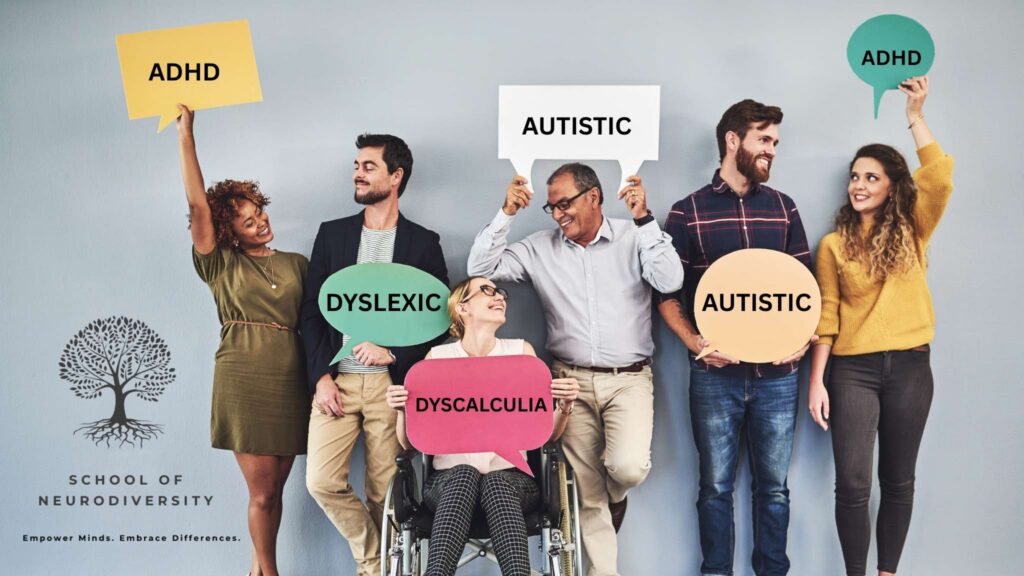
People who are neurodivergent may identify with profiles such as ADHD, autism, dyslexia, dyspraxia or dyscalculia, among others. Every individual has their own unique combination of strengths, preferences and challenges, meaning no two people experience neurodiversity in exactly the same way.
Understanding neurodiversity helps move conversations away from labels and assumptions, towards recognising the value of different ways of thinking and creating environments where everyone has the opportunity to succeed.