

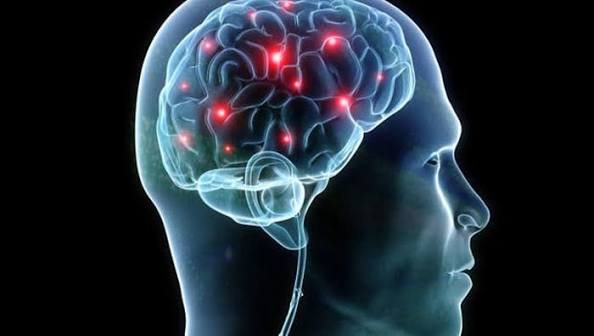
How the Brain’s Reward System Works
The brain’s reward system is a network of regions that helps us identify experiences that feel meaningful, enjoyable or beneficial. When we achieve a goal, solve a problem or receive positive feedback, the brain releases chemical messengers such as dopamine, reinforcing those behaviours and encouraging us to repeat them in the future. This process plays an important role in motivation, learning, habit formation and decision-making.
Although everyone has the same underlying reward system, no two people are motivated in exactly the same way. Some are energised by recognition, while others are driven by purpose, learning, creativity or visible progress. Understanding these differences can help individuals build more sustainable motivation and help organisations create environments where people can perform at their best.